

Mouse infestations are a constant problem for homeowners and businesses in Sydney, especially during the colder months when rodents look for warmth and shelter indoors. The key to successful mouse removal in Sydney is not just getting rid of visible mice, but also finding and dealing with their nests—the breeding areas where populations grow quickly.
Professional rodent removal sydney specialists know that seeing one mouse usually means there’s a bigger hidden issue. Nests hidden in wall cavities, roof spaces, or under floorboards can hold multiple mice and produce many offspring within weeks. If these concealed places aren’t found, any removal effort will only be a temporary solution instead of a permanent fix.
Finding mouse nests requires more than basic knowledge of pest control. Pest management professionals in Sydney use a range of specialized inspection tools, detection technologies, and proven methods to accurately locate where mice are nesting. This article looks at the specific equipment and techniques these experts use to find hidden mouse colonies, from traditional inspection tools to advanced thermal imaging systems that can see what the human eye cannot.
What Signs Do Professionals Look For to Identify Mouse Activity?
Professionals identify mouse activity through three distinct categories of evidence: visual, auditory, and olfactory indicators. The most obvious signs of mice experts look for include small, dark droppings resembling rice grains, gnaw marks on furniture or wiring, and greasy smudges along walls where mice repeatedly travel.
Visual Evidence of Mouse Presence
Trained technicians scan properties for telltale physical markers that reveal active infestations:
- Droppings: Fresh mouse droppings appear dark, moist, and approximately 3-6mm long
- Gnaw marks: Teeth marks on food packaging, wood, cables, and plastic materials
- Grease marks: Dark, oily smudges along skirting boards and walls from repeated contact with mouse fur
- Shredded materials: Torn paper, fabric, or insulation used for nesting
- Footprints: Small tracks visible in dusty areas or when tracking powder is applied
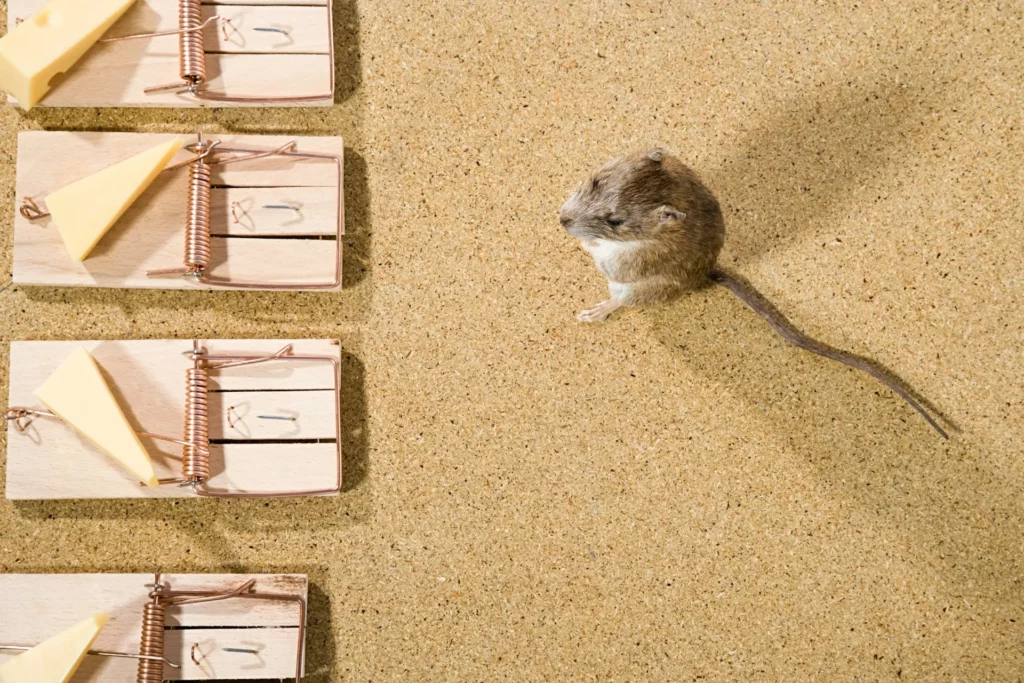
Auditory and Scent Indicators
Scratching, scurrying, and squeaking noises during nighttime hours signal active mouse populations within wall cavities or roof spaces. These rodent infestation indicators become particularly noticeable when properties are quiet. A distinctive musky, ammonia-like odour often permeates areas with established mouse colonies, especially near nesting sites.
Distinguishing Mouse Activity from Other Rodents
Accurate identification proves essential for effective treatment. Mouse droppings measure smaller than rat droppings—roughly the size of a grain of rice with pointed ends, whilst rat droppings reach 12-18mm with blunt ends. This distinction helps professionals determine which species they’re dealing with and adjust their identifying mouse activity approach accordingly. Mice also produce more droppings than rats, often leaving 50-80 pellets daily compared to a rat’s 40-50, providing another diagnostic clue during property inspections.
What Inspection Tools Are Used to Find Hidden Mouse Nests?
Professionals rely on high-powered flashlights for pest control combined with inspection mirrors to examine concealed spaces where mice typically build nests. These tools allow technicians to peer into roof cavities, behind wall panels, under floorboards, and within ventilation systems without requiring invasive demolition work.
The strategic placement of motion-activated cameras mice detection systems provides continuous surveillance of suspected infestation zones. These cameras capture rodent movement patterns during nighttime hours when mice are most active, revealing travel routes between nesting sites and food sources. The footage helps pest controllers identify the exact location of established colonies and determine the severity of the infestation.
Tracking powders serve as another essential component of professional inspection tools for mice detection. Technicians apply non-toxic fluorescent or talc-based powders along suspected pathways and entry points. When mice walk through these powders, their footprints become visible under UV light, creating a clear map of their movements throughout the property.
Key Inspection Equipment
- Telescopic mirrors extend into narrow gaps between walls and appliances
- Borescope cameras with flexible cables navigate through small openings in walls
- UV torches illuminate tracking powder trails and urine stains invisible to the naked eye
- Moisture meters detect water damage that often accompanies rodent activity
The combination of these tools enables pest control professionals to conduct thorough assessments without disrupting the property structure. Technicians systematically check common nesting locations including insulation materials, stored cardboard boxes, unused furniture, and gaps around plumbing penetrations. This methodical approach ensures no potential nesting site remains unexamined, allowing for targeted treatment strategies that address the root of the infestation rather than merely treating visible symptoms.
How Do Professionals Detect Entry Points for Mice?
Mouse entry detection starts with a thorough examination of both the outside and inside of a property, focusing on areas that are vulnerable. Experts pay close attention to spots where different building materials come together, as these joints often have openings that mice use to get in. The inspection looks at doors, windows, vents, utility pipes, roof eaves, and cracks in the foundation.
Understanding the Importance of Size
When it comes to finding potential entryways, size is very important. Mice have the ability to squeeze through spaces as small as a 20-cent coin or the width of a regular pencil—about 6-7 millimetres. This incredible flexibility means that even tiny cracks that may seem unimportant should be given careful consideration during inspections.
Common Areas Where Mice Enter
Here are some common places where mice are known to enter:
- Door frames and thresholds where weatherstripping has worn out
- Vent covers with broken screens or missing grilles
- Pipe penetrations through walls where there are gaps around plumbing or electrical conduits
- Roof-wall junctions where different building materials don’t fit together perfectly
- Weep holes in brick veneer that don’t have proper mesh protection, which can be found here
- Air conditioning units with unsealed gaps around installation points
Techniques Used by Professionals
Professionals use hands-on methods during their inspections. They run their hands along areas they suspect might have openings to feel for any movement of air, which would indicate the presence of gaps. Additionally, they look for signs such as grease marks or fur rubs in areas where mice frequently pass through specific entry points.
Sealing Off Rodent Entry Points
To effectively seal off areas where rodents can enter, it is essential to use strong materials that mice cannot chew through. For smaller gaps, steel wool can be an effective solution when it is tightly packed and secured with caulking. Larger openings around vents and pipes can be protected using wire mesh with openings of 6mm or smaller. To reinforce door bottoms, metal kick plates can be installed, while irregular gaps can be addressed using a combination of expanding foam and metal mesh.
Identifying Secondary Entry Points
The detection process also involves looking for additional entry points that mice create by gnawing through softer materials such as old timber, plastic vents, or damaged roof tiles. These weakened areas receive priority attention during efforts to identify gaps that rodents use for access.
What Advanced Technologies Help Locate Mouse Nests More Efficiently?
Thermal imaging mice detection has revolutionized the way pest control experts find hidden infestations. These special cameras can see the heat emitted by rodents and their nests, even if they’re concealed behind walls, in ceiling spaces, or under floors. The technology displays temperature differences as colour-coded images, making warm-blooded mice stand out against cooler building materials. It’s a prime example of how advanced technologies are helping to locate mouse nests more efficiently.
How Thermal Imaging Helps Pest Control
The main benefit of thermal imaging is that it avoids the need for destructive searching. Instead of cutting open walls or taking down ceiling panels to look for nests, technicians can now scan surfaces without causing any damage. With a thermal camera, they can quickly identify active nesting sites by spotting clusters of heat where multiple mice are gathered or where insulation has been disturbed by nesting activity. This method aligns with the principles of building diagnostics that focus on non-invasive inspection techniques.
Other Technologies Used in Pest Control
In addition to thermal imaging, pest control professionals in Sydney also use other advanced technologies such as:
- Infrared thermal scanners that can see through common building materials
- High-resolution imaging that can tell the difference between rodent activity and other sources of heat
- Real-time detection during times when mice are most active (usually in the evening or at night)
These technologies are especially useful in large buildings with multiple floors or properties that have extensive roof spaces where traditional inspection methods may take a long time. By using these tools, pest control experts can quickly and accurately identify not only nests but also the paths that mice travel along warm pipes or electrical conduits. This information helps them understand the full extent of the infestation and plan their treatment accordingly.
Benefits of Using Advanced Technologies
The use of advanced technologies like thermal imaging and infrared scanners offers several advantages for pest control professionals:
- Reduced inspection time: With these tools, technicians can quickly locate nests and identify areas of concern without spending hours searching.
- Lower treatment costs: By accurately pinpointing the source of the infestation, pest control experts can tailor their treatments to be more effective and efficient, resulting in cost savings for property owners.
- Minimized disruption: Traditional inspection methods often involve invasive techniques that can disrupt occupants or tenants. By using non-invasive technologies, such as thermal imaging, pest control professionals can carry out inspections with minimal disturbance to people and activities in the building.
Overall, advanced technologies play a crucial role in improving the efficiency and effectiveness of pest control efforts. By leveraging these tools, professionals can stay one step ahead of rodent infestations and provide better service to their clients.
What Treatment Tools Are Used After Finding Mouse Nests?
Once nests are found, professionals use specific treatment tools to get rid of the infestation.
1. Bait Stations
Bait stations are secure units that are placed strategically within 1-2 metres of nesting areas and along rodent pathways. These stations contain rodenticides, which are poisons specifically designed to kill rodents.
2. Mechanical Traps
Mechanical traps, also known as snap traps, are positioned perpendicular to walls where mice naturally travel. These traps work by using a spring-loaded mechanism to quickly kill the mouse when it triggers the trap.
3. Live Capture Devices
Live capture devices, or humane traps, are set in areas with confirmed activity. These traps allow for the capture of mice without causing them harm, making it an ideal option for clients who prefer humane removal methods.
4. Dust Applicators
Dust applicators are specialised equipment used to deliver insecticidal dust into wall voids and roof spaces where nests may exist. This method is particularly effective for hard-to-reach nesting sites.
The dust application technique proves particularly effective for hard-to-reach nesting sites. Technicians use hand-operated or electric dusters to distribute fine insecticidal powder into cavities, coating surfaces where mice travel. This method ensures comprehensive coverage in spaces where traditional traps cannot reach, treating both the nest and surrounding areas simultaneously.

How Do Professionals Ensure Their Methods Are Safe and Eco-Friendly?
Professional mouse removal services in Sydney prioritise family safe rodent removal and pet safe pest management through integrated pest management (IPM) strategies. This approach combines multiple techniques rather than relying solely on chemical solutions, reducing environmental impact whilst maintaining effectiveness.
The IPM framework includes:
- Physical trapping methods that eliminate rodents without toxic substances, using snap traps and live traps positioned strategically
- Exclusion techniques focusing on sealing entry points with steel wool, wire mesh, and caulking to prevent future access. This is where resources like the NPS Rodent Exclusion Manual come into play, providing detailed guidance on effective mechanical rodent-proofing techniques.
- Sanitation protocols that address root causes by removing food sources, water access, and nesting materials
Eco-friendly pest control Sydney specialists emphasise prevention over repeated chemical treatments. They conduct thorough property assessments to identify conditions attracting mice, then provide tailored advice on storage practices, waste management, and structural repairs.
Ongoing monitoring forms a critical component of safe rodent management. Professionals schedule follow-up inspections to verify treatment success and detect early signs of reinfestation. This proactive approach minimises the need for intensive interventions later.
When rodenticides are necessary, licensed technicians use tamper-resistant bait stations positioned away from children and pets. These secure containers prevent accidental exposure whilst targeting specific infestation zones identified through the inspection tools discussed earlier in Mouse Removal Sydney: What Tools Do Professionals Use to Locate Nests?
In addition to these strategies, professionals may implement an IPM action plan for rodents, which further enhances the effectiveness of their rodent control measures while ensuring safety and environmental sustainability.
Conclusion
Professional pest control services in Sydney prioritise both effectiveness and environmental responsibility when tackling mouse infestations. Licensed technicians employ family-safe and pet-friendly methods that eliminate rodents without compromising household health. The combination of advanced detection tools, targeted treatments, and preventive strategies ensures comprehensive protection against future invasions.
Attempting DIY mouse removal often leads to incomplete solutions, as nests remain hidden and entry points go unnoticed. Professionals bring expertise in identifying subtle signs of activity and accessing hard-to-reach areas where mice typically nest. Their systematic approach addresses the root cause rather than merely treating symptoms.
If you notice droppings, hear scratching sounds, or detect musky odours in your property, immediate professional intervention prevents the problem from escalating. Effective mouse removal Sydney services combine thorough inspections with proven treatment methods, delivering lasting results. The professional pest control benefits extend beyond elimination—experts provide ongoing monitoring and prevention advice to keep your home rodent-free. Don’t let a small mouse problem become a major infestation; contact qualified pest control specialists for safe, efficient resolution.
Related : Best Rat Pest Control Sydney Options for Heritage or Older Homes
FAQ’s on Professionals Mouse Removal
Professionals use a combination of inspection tools, thermal imaging, and tracking powders to locate hidden mouse nests. They examine common nesting spots such as roof voids, wall cavities, and beneath floorboards, using non-invasive equipment to detect subtle heat signatures and rodent movement.
Key signs include:
Small droppings (3–6mm) near baseboards or food areas
Gnaw marks on furniture, wires, or packaging
Scratching sounds at night
Musky odours around nesting zones
Grease smears along walls from repeated mouse travel
Spotting these signs early allows for faster and more effective treatment.
Professionals use tools such as:
Telescopic inspection mirrors
Borescope (flexible) cameras
UV torches to detect urine and tracking powder trails
Moisture meters to identify damp nest-prone zones
These tools help technicians find nests without damaging your property.
Thermal imaging cameras detect heat signatures from rodents behind walls or in ceilings. This non-invasive technology highlights warm clusters, indicating nests or high-activity zones. It significantly reduces inspection time and avoids unnecessary wall damage.
Common mouse nesting sites include:
Roof voids and attic insulation
Wall cavities
Behind appliances
Storage boxes or cluttered areas
Under floorboards
These areas offer warmth, shelter, and access to food—ideal conditions for breeding.
Professionals inspect vulnerable areas such as:
Gaps around utility pipes and cables
Broken vent screens
Damaged weather stripping
Roof junctions and weep holes
Mice can squeeze through holes as small as 6mm (the width of a pencil), making even minor gaps significant.
Key differences:
Dropping size: Mouse droppings are 3–6mm with pointed ends, rats leave 12–18mm pellets with blunt ends.
Activity noise: Mice create lighter scratching sounds; rats are heavier and more noticeable.
Nesting habits: Mice often nest closer to food sources, while rats may travel further distances.
Correct species identification is crucial for effective treatment.
Once located, nests are treated using:
Bait stations with rodenticides in secure containers
Snap traps placed along travel routes
Live capture traps for humane removal
Insecticidal dust in wall voids or hard-to-reach spaces
Treatments are tailored to nest locations and severity of infestation.
Yes. Licensed Sydney pest control experts follow Integrated Pest Management (IPM) principles. They:
Use tamper-proof bait stations
Prioritise non-toxic trapping methods
Seal entry points to prevent re-entry
Provide eco-friendly and low-impact solutions for pet and child safety
These methods ensure effective control without harming household members or pets.
DIY methods often miss hidden nests or fail to locate entry points, leading to reinfestation. Professionals bring:
Advanced detection tools
Specialised knowledge of rodent behaviour
Non-invasive technology
Targeted, long-term solutions
Hiring a qualified pest controller ensures full elimination and prevents future infestations.

Comments are closed