
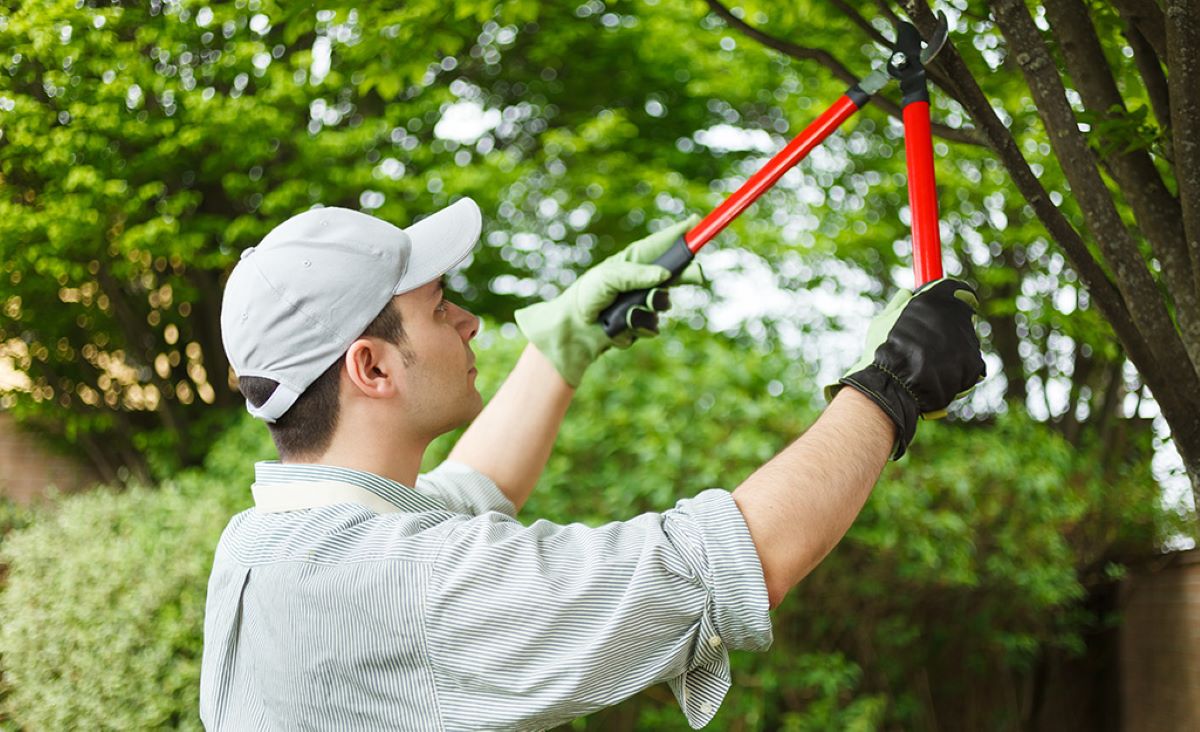
What do tree pruning services usually include?
Most pruning quotes cover labor, climbing or lift work, standard cutting, and basic cleanup. Many also include hauling small to moderate debris, but not always.
If the job needs rigging, traffic control, lawn protection mats, or special disposal, those items may be separate line items. The easiest way to avoid confusion is to ask for a written scope that lists exactly what gets cut, how debris is handled, and what “cleanup” means.
How much does tree size and height affect pruning cost?
When estimating tree pruning costs, tree size is one of the biggest pricing drivers because it directly affects time, crew requirements, and safety planning. Taller trees often require more complex climbing setups, larger ladders, or even aerial lifts.
Canopy spread also plays a significant role. A wide tree extending over a roof can take longer to prune than a narrow tree of the same height. Arborists will also factor in the number of cuts required and whether branches need to be carefully lowered with rigging instead of safely dropped to the ground.
Why does the tree’s condition change the price?
Unhealthy trees can be unpredictable, which increases risk and time. Deadwood, weak branch unions, decay, and storm damage can require slower cutting and more rigging.
Pest issues and brittle wood may also change how pruning is performed. If pruning reveals structural problems, an arborist may recommend additional work, which can affect the final total if the scope changes mid-job.
How does accessibility impact tree pruning pricing?
Access can be the difference between a routine prune and a complex operation. If crews can park close and move debris easily, costs tend to be lower.
Prices often rise when trees are behind fences, on steep slopes, in tight courtyards, or far from the driveway. Limited access can prevent equipment use, forcing manual hauling, extra crew time, and more protection for landscaping.
How do nearby hazards like power lines and buildings affect cost?
Hazards increase both the technical difficulty and the liability. Branches over roofs, greenhouses, fences, pools, and neighboring yards usually require rigging and controlled lowering.
Power lines are a major factor. If branches are near energized conductors, pruning may require special clearances, coordination with the utility, or a line-clearance qualified crew, all of which can raise pricing. Click here to get more about what to expect from hedge trimming services near me.
What pruning type is being done, and why does it matter?
Different goals require different techniques. A light maintenance prune is usually faster than structural pruning or a major canopy reduction.
Typical categories include:
- Crown cleaning: removing dead, rubbing, and broken branches
- Crown thinning: selective removal to reduce density
- Crown raising: removing lower limbs for clearance
- Crown reduction: reducing height or spread with proper cuts
Reduction work is often more expensive because it requires skill to preserve structure and avoid stressing the tree.
How does the amount of debris and cleanup affect the total?
Cleanup is real labor, and debris volume scales quickly with branch size. A quote may include chipping and hauling, or it may assume debris is left on-site.
Stump grinding is usually separate because it is not pruning. Firewood cutting and stacking is also commonly an add-on. If they want everything removed, they should confirm haul-off is included and whether disposal fees apply.
Does emergency or same-day pruning cost more?
Yes, urgent work often costs more because it disrupts schedules and may require overtime. Storm response pricing also reflects higher risk, unstable limbs, and complicated access.
If a tree is actively splitting, uprooted, or hanging over a structure, crews may need additional safety controls. They should expect higher rates for nights, weekends, and rapid mobilization.
How do season and local demand affect pruning quotes?
Pricing can shift with demand. After storms, reputable companies book out quickly, and emergency work becomes premium-priced.
Season can matter too. Some regions see higher demand in late spring and summer, while others peak in fall. Winter pruning can be more available in certain climates, but weather can slow work and affect scheduling.
What role does the arborist’s qualifications and insurance play in cost?
Qualified, insured work often costs more and is usually worth it. Certified arborists bring training in tree biology and proper pruning standards, which helps avoid long-term damage.
Insurance matters because pruning is high-risk. General liability and workers’ compensation coverage protect the homeowner if something goes wrong. A cheaper bid that lacks coverage can become far more expensive if an accident happens.
Are permits, HOA rules, or city regulations included in the price?
Sometimes, but not always. Some municipalities require permits for pruning protected species, street trees, or large heritage trees. HOAs may require approvals and specific pruning limits.
They should ask who handles permits and whether the quote includes any fees. If permits are needed, timelines can also affect the schedule and total project cost.
How can they tell if a pruning quote is fair?
A fair quote is clear, specific, and aligned with the job’s risk and complexity. They should compare written scopes, not just the bottom-line price.
A strong quote typically includes the pruning objectives, which branches will be removed or reduced, debris handling, and any exclusions. If two quotes differ widely, the difference is often in scope, cleanup, access assumptions, or the crew’s qualifications.
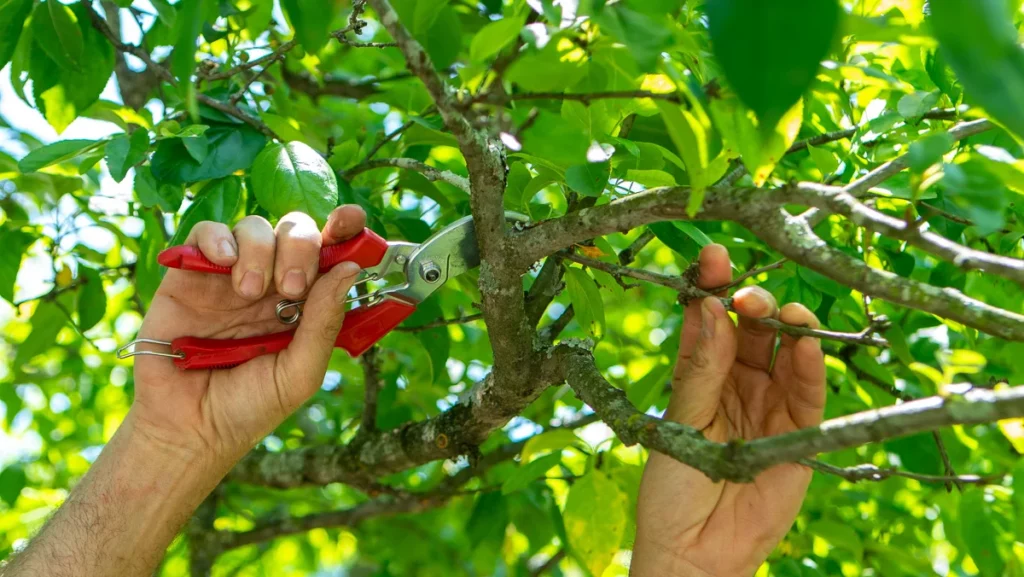
What questions should they ask before approving the work?
Asking a few direct questions can prevent most surprises. They should get answers in writing when possible.
Key questions:
- What exact pruning type is included (cleaning, thinning, raising, reduction)?
- Will they use climbing, a lift, or both?
- Is debris hauling included, and to what extent?
- Are there add-ons for wood stacking, stump grinding, or extra hauling?
- Are they insured, and can they provide proof of coverage?
- Who will be on-site, and is a certified arborist involved?
- What is the estimated start time and duration?
What’s the simplest way to lower pruning costs without cutting corners?
The best savings usually come from clarifying scope and bundling work. If multiple trees need pruning, doing them in one visit can reduce mobilization costs.
They can also reduce costs by improving access, like unlocking gates, moving vehicles, and clearing patios. What they should not do is request harmful practices like topping, which can create bigger costs later through decay, regrowth, and increased failure risk.
What should they do next?
They should request 2 to 3 detailed quotes, compare scopes line by line, and prioritize safety and proper pruning standards over the lowest price. Clear expectations upfront usually lead to better results, fewer change orders, and healthier trees for years.
FAQs (Frequently Asked Questions)
What do tree pruning services usually include?
Most tree pruning quotes cover labor, climbing or lift work, standard cutting, and basic cleanup. Many also include hauling small to moderate debris, but specialized tasks like rigging, traffic control, lawn protection mats, or special disposal are often separate line items. To avoid confusion, ask for a written scope detailing what gets cut, how debris is handled, and what ‘cleanup’ entails.
How does the size and height of a tree affect pruning costs?
Tree size significantly influences pruning costs because larger trees require more time, crew members, and safety measures. Taller trees may need complex climbing techniques, larger ladders, or aerial lifts. The canopy spread also matters; wide trees over roofs take longer to prune than narrow ones of the same height. Additionally, crews consider the number of cuts and whether branches must be carefully lowered rather than dropped.
Why does a tree’s condition impact the price of pruning?
Unhealthy trees increase risk and time required for pruning due to factors like deadwood, weak branch unions, decay, storm damage, pest issues, and brittle wood. These conditions often necessitate slower cutting and more rigging. If structural problems are discovered during pruning, an arborist may recommend additional work that can raise the final cost if the scope changes mid-job.
How does accessibility influence tree pruning pricing?
Accessibility affects whether pruning is routine or complex. Easy access with nearby parking and straightforward debris removal lowers costs. Conversely, trees located behind fences, on steep slopes, in tight courtyards, or far from driveways increase prices because limited access may prevent equipment use and require manual hauling, extra crew time, and enhanced landscaping protection.
What role do nearby hazards like power lines and buildings play in pruning costs?
Nearby hazards raise both technical difficulty and liability. Branches over roofs, greenhouses, fences, pools, or neighboring yards often require rigging and controlled lowering. Proximity to power lines is critical; if branches are near energized conductors, special clearances or coordination with utilities may be necessary along with line-clearance qualified crews—all contributing to higher pricing.
How do different types of pruning affect the overall cost?
Pruning goals dictate techniques and influence cost. Light maintenance pruning is typically faster and less expensive than structural pruning or major canopy reduction. Common types include crown cleaning (removing dead or broken branches), crown thinning (reducing density), crown raising (removing lower limbs for clearance), and crown reduction (reducing height or spread). Reduction work demands skill to preserve tree structure and usually costs more.

Comments are closed