
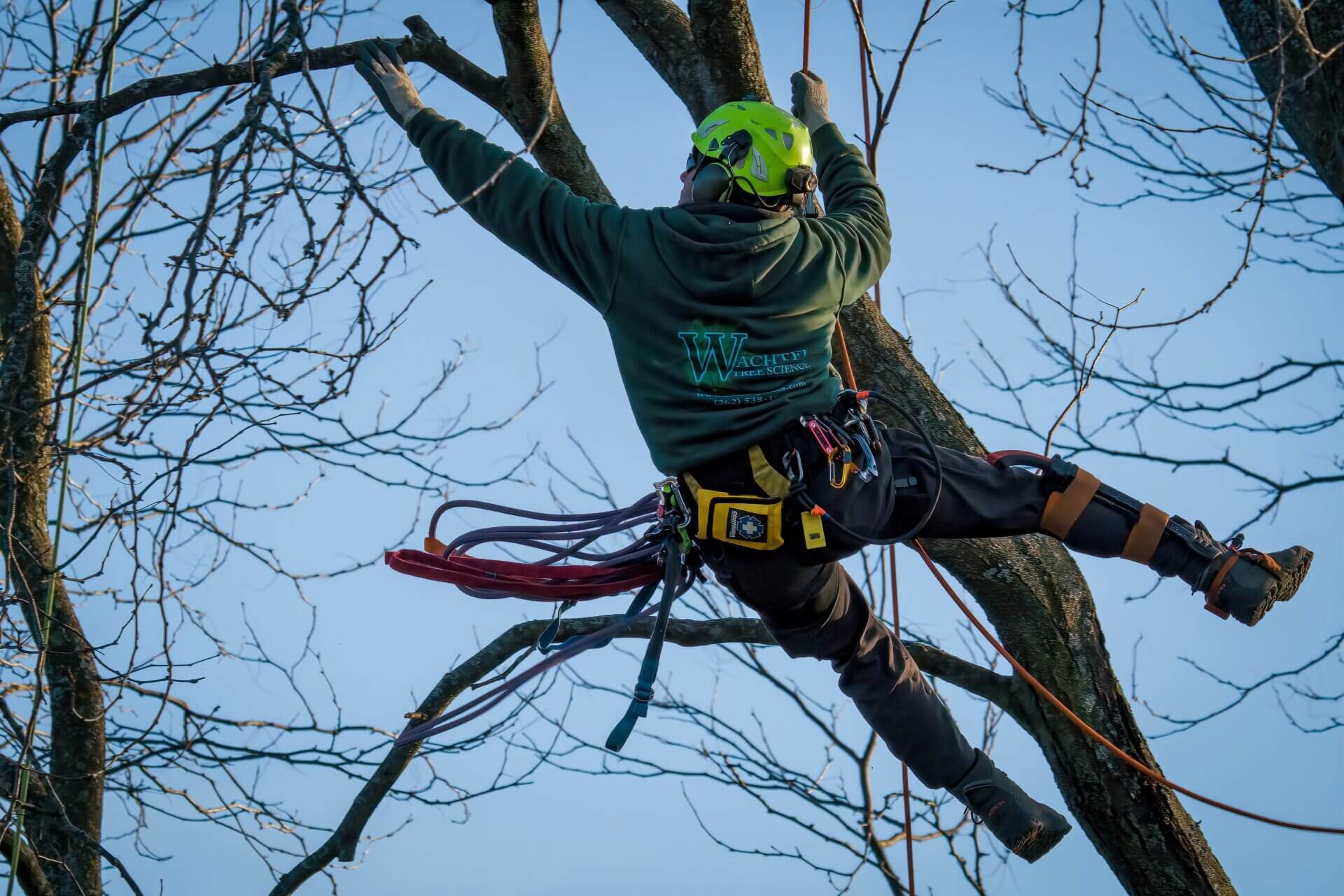
For Australian homes and worksites, these three questions help them screen providers quickly, compare quotes properly, and book with confidence.
What licences, insurance, and certifications do they actually hold?
They should be able to prove they are properly set up to deliver tree services near me safely and legally. In the first call, they can ask for evidence of current public liability insurance, workers compensation cover, and any trade or industry certifications relevant to the work.
In Australia, reputable operators will usually provide a Certificate of Currency on request. If they hesitate, provide vague answers, or cannot supply documents promptly, it is a strong sign to keep looking. This matters most for removals, large pruning, work near roads, and jobs involving climbing or machinery.
They can also check whether the business name matches the insurer’s details. If a claim arises, mismatched paperwork can turn into a costly dispute.
How will they manage risks and protect the site before cutting starts?
Good tree services explain their safety plan clearly, not just their price. They should outline how they will control drop zones, protect nearby structures, and manage access for neighbours, pedestrians, and vehicles.
For a typical suburban job in Sydney, Melbourne, Brisbane, Perth, Adelaide, or regional towns, this often includes traffic or footpath control if branches could fall near a public area. They may also use rigging, lowering devices, or elevated work platforms rather than free-dropping large timber.
They can ask what happens if weather changes mid-job. A professional team will pause work if wind or storms increase risk, then reschedule rather than push through unsafely.
They should also explain how they will protect lawns, garden beds, retaining walls, fences, and driveways. If heavy gear is required, they can ask whether ground mats or plywood will be used to reduce damage.
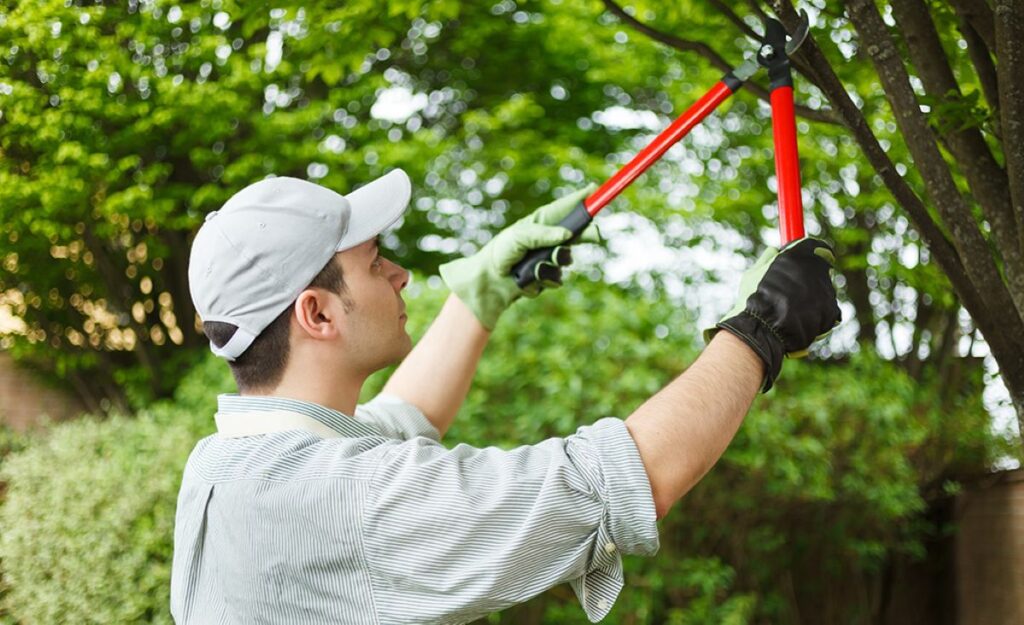
What is included in the quote for tree services, and what could change the cost?
Clear scope is the difference between fair pricing and surprise invoices. When comparing tree services, they should confirm exactly what the quote includes, in writing, before booking.
They can ask whether the price covers green waste removal, wood chipping, log cutting, and cleanup. Many disputes come from assumptions, such as expecting stump grinding when the quote only covers felling and removal. If they want mulch left onsite, they should confirm where it will be placed and how much will remain.
They should also ask what might cause a variation. Common examples include hidden decay that changes rigging needs, unexpected access limits, underground services affecting stump work, or council conditions that restrict methods or timing.
If the job requires approvals, they can ask who handles it. In many Australian councils, protected trees, street trees, or significant pruning may require a permit. A reliable provider will either guide them through the process or clearly state that approvals are the client’s responsibility.
Finally, they can ask for the payment terms upfront. A small deposit may be reasonable for larger bookings, but pressure to pay in full before work starts is a red flag for tree services that are not operating professionally.
Choosing tree services is not just about getting a tree cut down. It is about hiring people who can plan, communicate, and work safely on Australian properties where fences, powerlines, neighbours, and council rules are often close by.
If they ask these three questions and insist on clear answers, they can avoid most common pitfalls and end up with tree services that deliver a clean, safe result.
More to Read : Comparing Your Options for Tree Removal Sydney Cost
Comments are closed